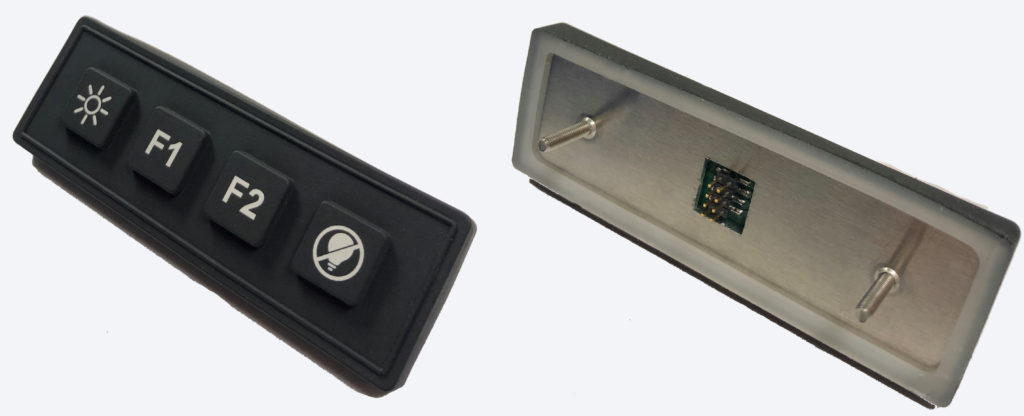
Case: Customer approached CSI requiring a backlit and sealed rubber keypad solution that would be able to withstand heavy usage outdoors. It was critical for the customer to be able to mechanically mount the keypad into their case.
CSI Final Solution:
Rubber keypad with 4 dome switches
Keypad backlit using LEDs and rubber with laser etched symbols
Printed circuit board based assembly with dome switches, LEDs, and rear mounted connector
Rubber designed and manufactured to wrap around PCB in order to completely seal the keypad’s circuitry
Rear aluminum backer with threaded studs for mechanically mounting
Do you have a product that has stringent EMI shielding requirements? CSI can integrate EMI mesh into your keypad assembly using the finest woven blackened wire mesh. The mesh is blackened to make it suitable for optical applications such as applying over displays or under windows.
EMI protection will be provided by covering the entire keypad, display and LED conductors, etc. with wire mesh. The mesh is typically 80 x 80 density, of .0011 inch diameter stainless steel wire strands. It is an interwoven fabric, silver coated, and then blackened. The mesh shall be in direct electrical contact when attached to the enclosure. The woven mesh is highly conductive for the best EMI shielding effectiveness and is even and very black avoiding highly reflective un-blackened wires and discolorations.
Integrating the Mesh into the Design:
The mesh is die-cut to the shape of the keypad and then assembled into the internal layers of the keypad assembly.
CSI will work closely with you in determining the best method to make direct electrical contact between the EMI mesh and your product when the keypad is assembled to your enclosure.
Every week, we are approached by a customer that is having issues with a membrane switch or keypad designed by another manufacturer. More often than not, the membrane switch was not engineered properly when it was originally developed. Typically, the membrane switch is failing out in the field due moisture ingress and lack of sealing characteristics.
Because this is such a common occurrence, CSI has a seamless process in place for redesigning your current membrane switch without having to completely reinvent the wheel. We can work closely with your company in designing a drop-in replacement that will not require any product redesign or any changes for that matter on your end. CSI will update and upgrade all of the critical internal layers giving you the environmental sealing required while leaving the external layers untouched – leaving you with a completely sealed product upgrade that can be smoothly incorporated into your existing production line.
So what you waiting for?! If you are unhappy with your current membrane switch, now is the time to make the change. Reach out to CSI today to get the ball rolling and eliminate these headaches once and for all!
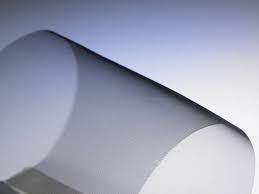
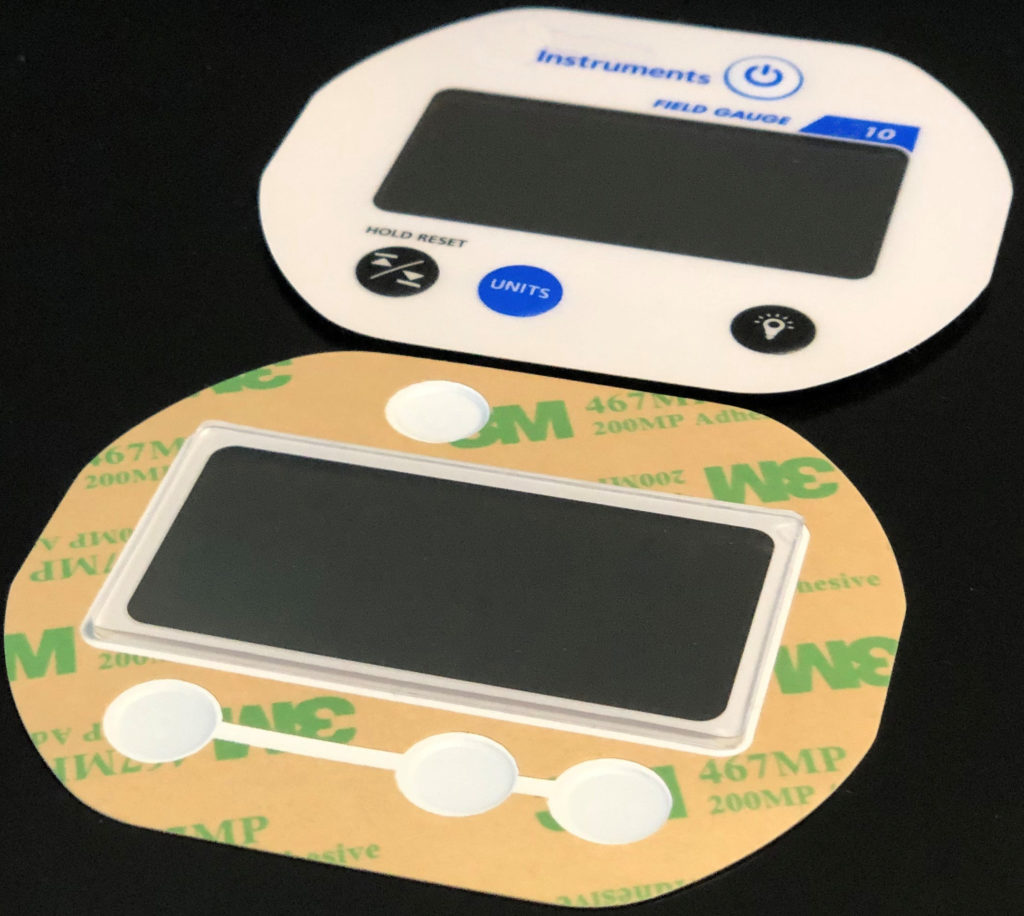
It is very common for our membrane switches to be applied above a display. When this is the case, our graphic overlays can be designed and manufactured with a transparent or translucent window for viewing the display from the front of the panel. The window design is typically contingent on the type of display being used in order to maximize the visibility and readability of the display.
LCD displays require clear windows therefore typically utilize windows with minimal filters with a gloss finish. Anti-glare can also be used if required. LED segment displays require less clarity and typically utilize windows with optical filtering to maintain readability in brighter settings. VFDs usually accept a matte finish.
Graphic overlays with windows are typically manufactured using the following:
Gloss
Hard-coat
Scratch-resistant polyester
Polycarbonate
The first surface (or top surface) is typically selectively textured leaving the windows glossy while offering a secondary matte surface finish.
Windows can also be smoked and printed color dyes can be added to produce red, green, yellow, etc. to produce filters or tints.
Additionally, the LCD windows can be manufactured with alternative gloss levels for anti-glare if the membrane switch is used outdoors in a bright environment.
Optically bonded windows can also be integrated into the window design which adds thickness and durability to the window to make up air gaps between the display and window to prevent window damage.
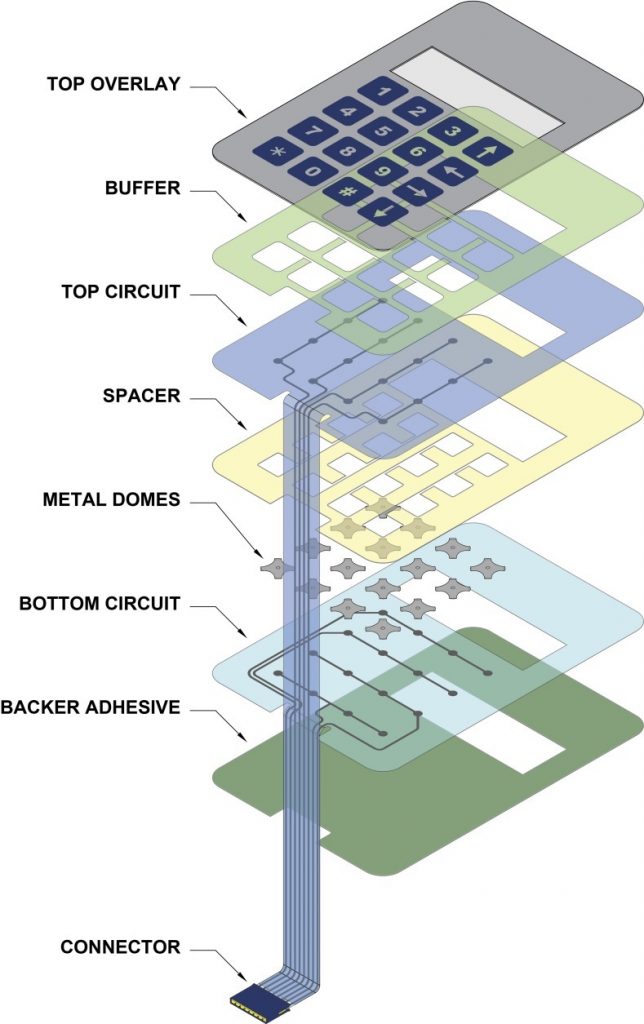
What are the Internal Layers of a Membrane Switch?
We all know about the graphic overlay layer which is the top surface of the keypad that always gets the most attention (and rightfully so). But what’s going on behind the scenes in the sub-assembly of the membrane switch? Let’s find out.
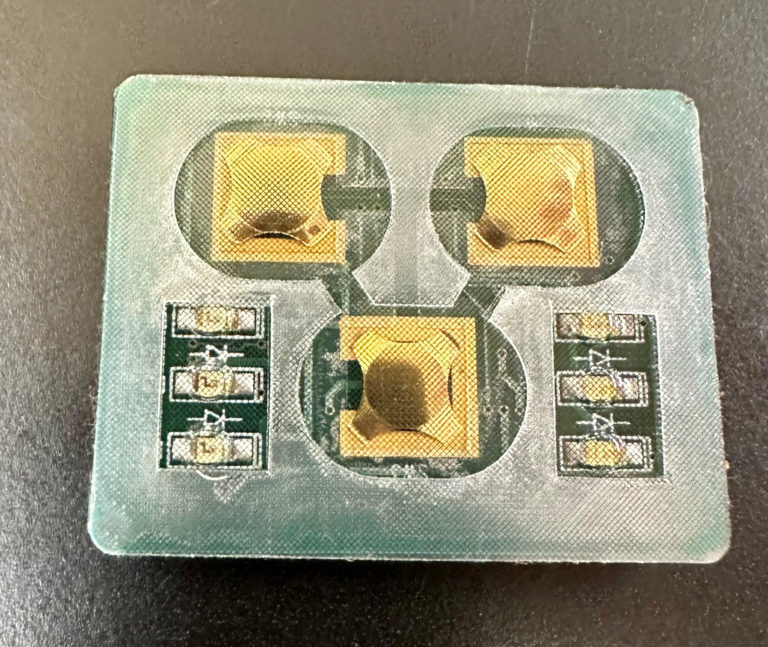
Dome Retainer Layer
The dome retainer layer is somewhat self explanatory. The primary function of this layer is hold the metal domes in place and position. It is typically manufactured from polyester film material.
Spacer Layer
The spacer layer is used to created a break in contact between the two conductors of the switch. This allows the switch to have its open position. The spacer design typically includes vents or channels to prevent air entrapment in the layers when the keys are pressed or actuated.
Circuit Layer
The circuit layer is the electrical aspect of a membrane switch where the conductive traces are applied using one of the two main methods of application: screen printing and photochemical etching.
Screen Printing or Printed Silver Circuitry: Silver conductive ink is flooded on the stencil placed above a substrate (typically polyester film).
Photochemical Etching or Copper Flex Circuitry: Copper laminated substrate is selectively created through photolithography and a chemical etching process.
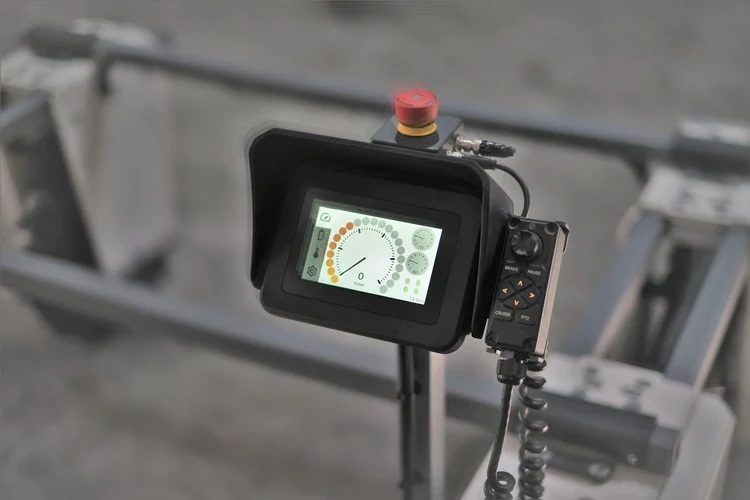
CSI Develops Pendant Switch for Agricultural Application
Product: Agricultural Product
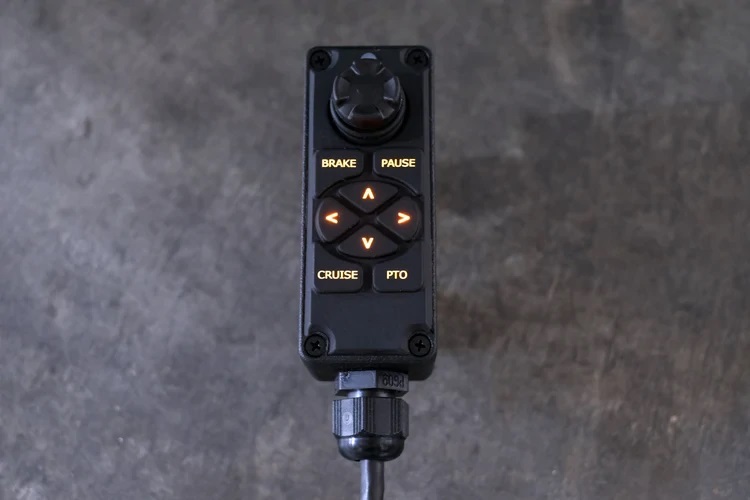
Case: Customer approached CSI requiring a backlit and sealed pendant keypad solution that would be able to withstand heavy usage outdoors with many of its users wearing gloves.
CSI Final Solution:
Rubber keypad with 8 dome switches
Keypad backlit using LEDs and rubber with laser etched symbols
Printed circuit board based assembly with dome switches, LEDs, and rear mounted connector
Rubber designed and manufactured to wrap around PCB in order to completely seal the keypad’s circuitry
Rear foam adhesive for mounting to customer’s case
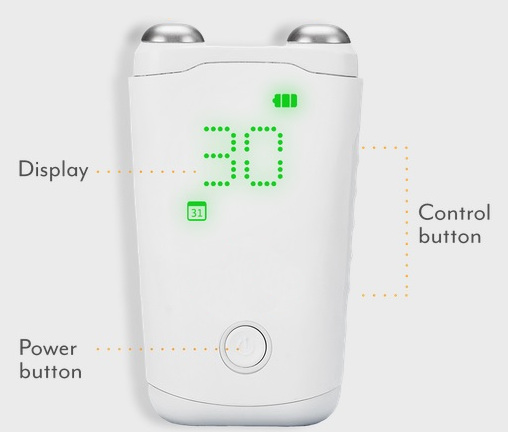
CSI Engineers & Manufactures HMI for Handheld Medical Device
Product: Handheld Medical Device
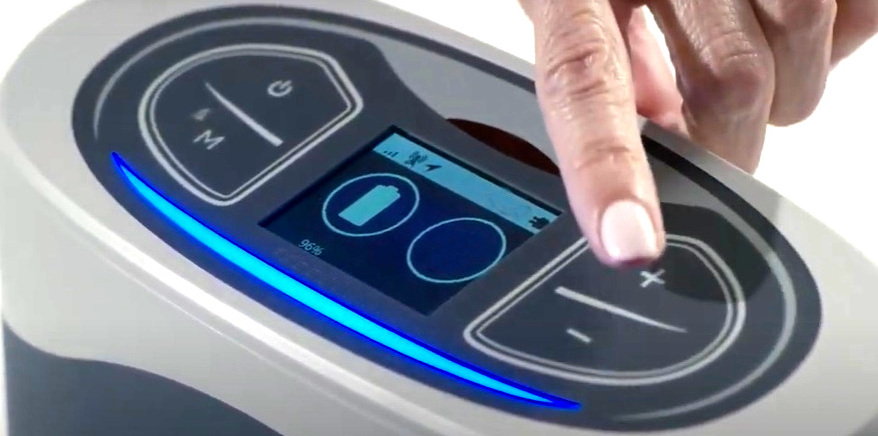
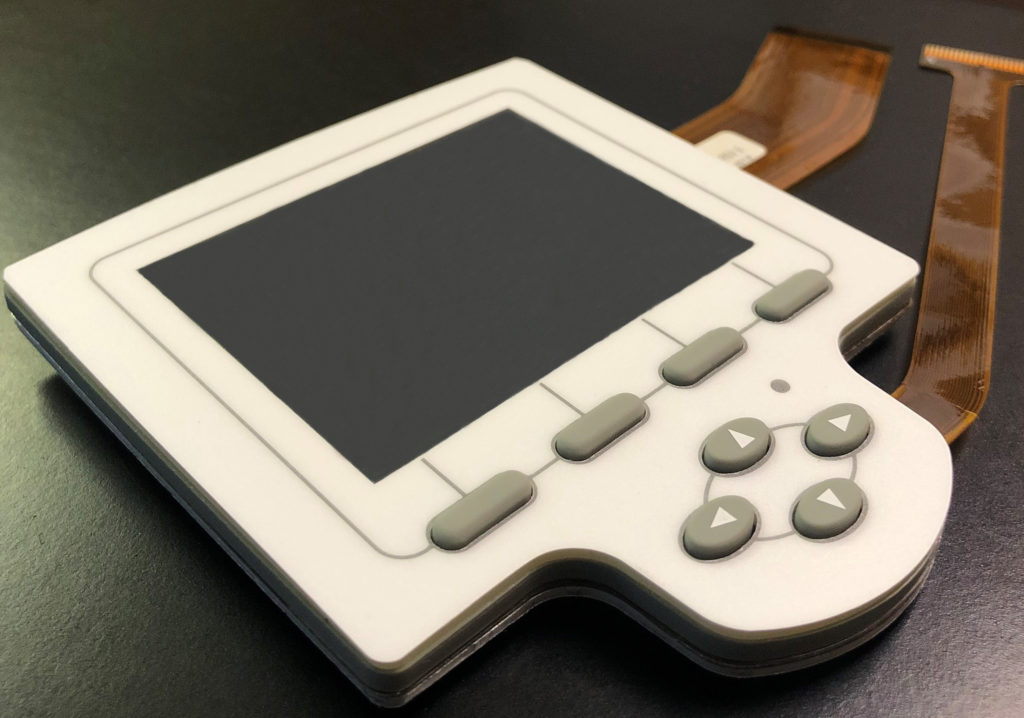
Case: Customer partnered with CSI to design and manufacture two keypads that would be integrated into a handheld medical device. Major requirements included tactile feel requirement, sealing and durability.
CSI Final Solution:
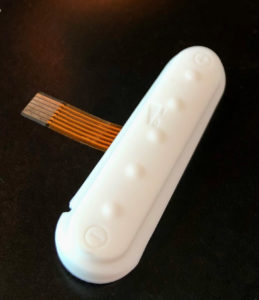
Molded rubber keypad assembly for the Control Button
Copper flex circuit
5 keys with light force domes as the primary users of the product are elderly
Rubber keypad assembly is mounted to a custom plastic backer plate for rigidity
Circuit has a tail prepped for a ZIF connection in the main product’s printed circuit board assembly
CSI also designed and manufactured the Power Button which is also a molded silicone rubber keypad that mounts into the plastic enclosure/case and actuates a mechanical switch on the main product’s printed circuit board assembly
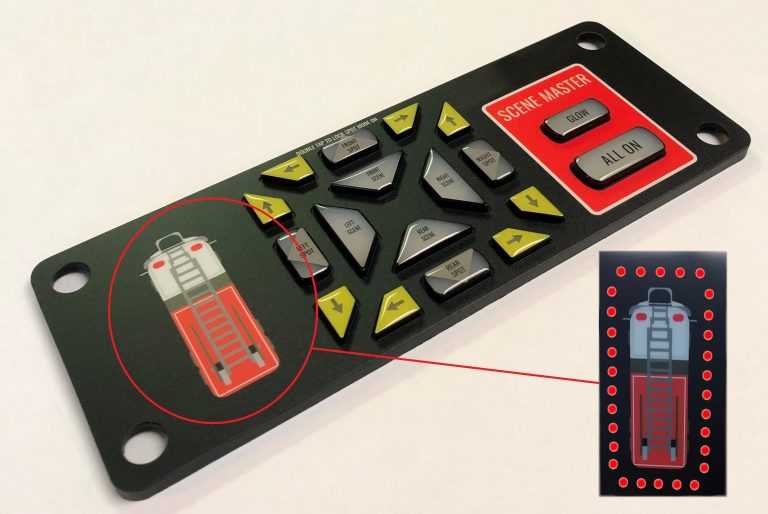
Case: Customer contracted with CSI to design and manufacture a user interface that would be mounted inside of an emergency vehicle. Major requirements included backlighting, sealing and durability.
CSI Final Solution:
Molded rubber keypad
Epoxy coated key caps
Backlit keys
LED indicators depicting which lights on the vehicle are in use
Printed circuit board based assembly with dome switches, LEDs, components, thru-holes for mounting to dashboard
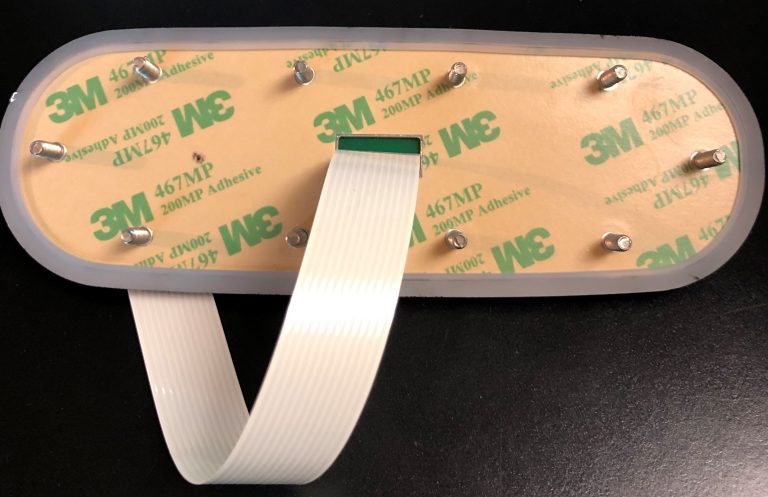
While the majority of keypad assemblies are simply adhered to the end product using rear pressure sensitive adhesive (PSA), in some cases the product design calls for mechanical mounting. Mechanically fastening the keypad assembly not only provides additional mounting support and rigidity, it also prevents the keypad from being removed or pried from the front (in many cases for security purposes) and allows our customers the flexibility to remove the keypad assemblies out in the field when required.
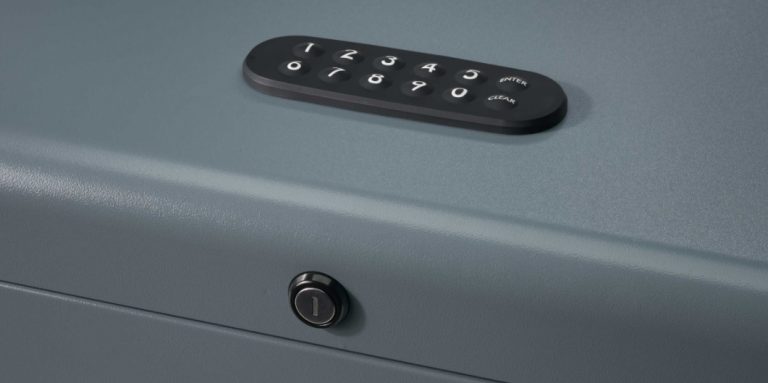
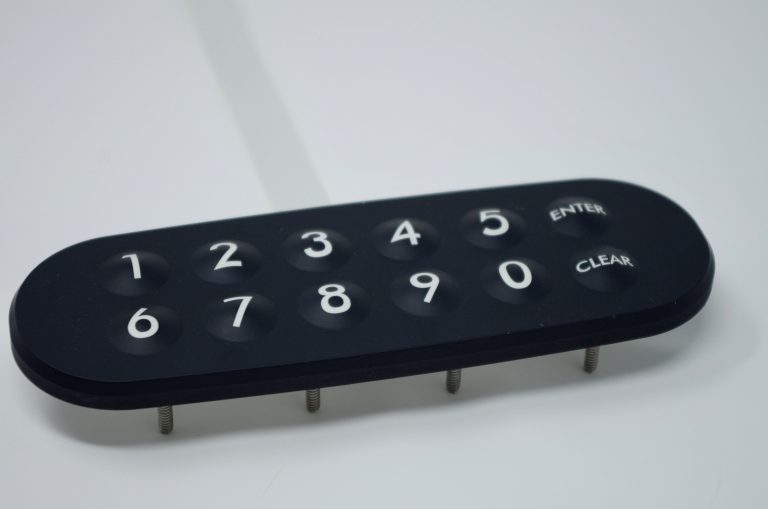
The rubber keypad assembly shown below is used in an outdoor lockbox application and has the following design features:
Mechanically fastened using 10 PEM studs that are integrated into the metal backer.
Backlit keys using LEDs, light guide film, light piping and laser etching technology.
Environmentally sealed utilizing the rubber which wraps around the entire assembly acting as a sealed gasket.
Tactile keys using metal domes.
Cable assembly with female connector soldered and sealed to the PCB for connection to customer’s PCB.