How to Choose the Right Dome for a Membrane Switch
The metal dome inside a membrane switch does more than complete an electrical circuit—it also helps determine how the key feels when pressed. Choosing the right dome can make an interface easier and more comfortable to use.
The best choice depends on your application, the available space, the desired tactile feedback, and how often the switch will be used. CSI Keyboards can help you compare options and select a dome that fits your design.
What Is a Metal Dome?
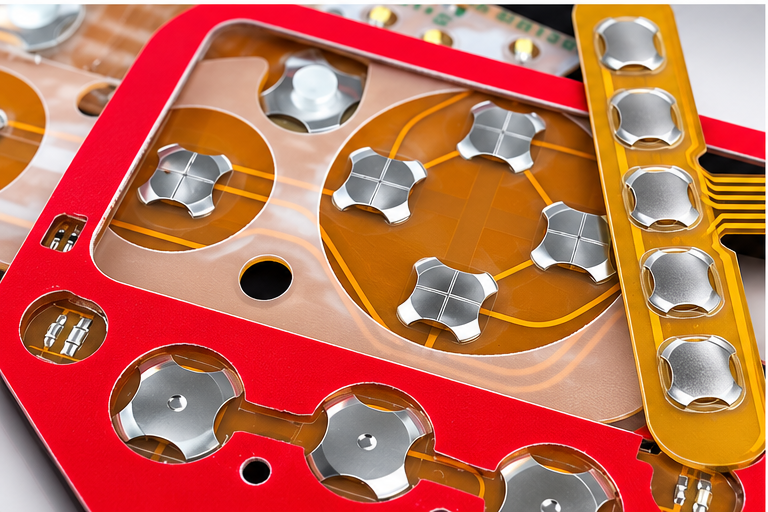
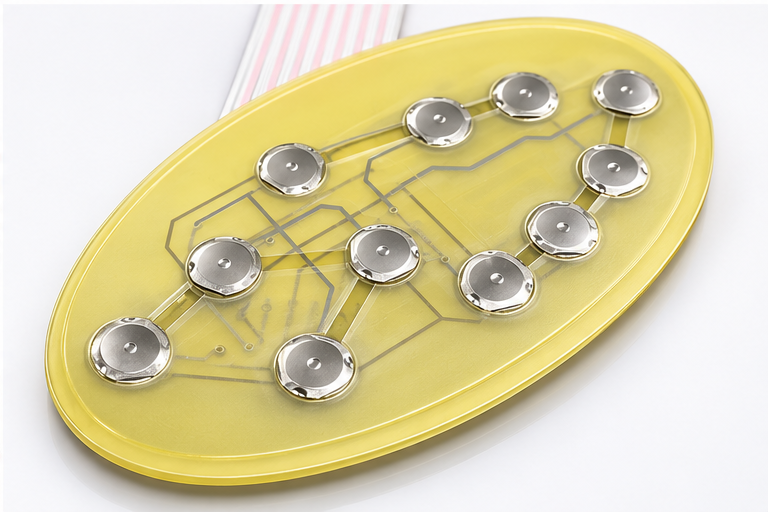
A metal dome is a small, spring-like contact used in a membrane switch or keypad. When a user presses the key, the dome flexes and makes electrical contact. When released, it returns to its original shape.
Many metal domes also provide a noticeable tactile response—the click or snap a user feels when the switch activates. This feedback can help users know their input has been registered.
What to Consider When Choosing a Dome
Size and Shape
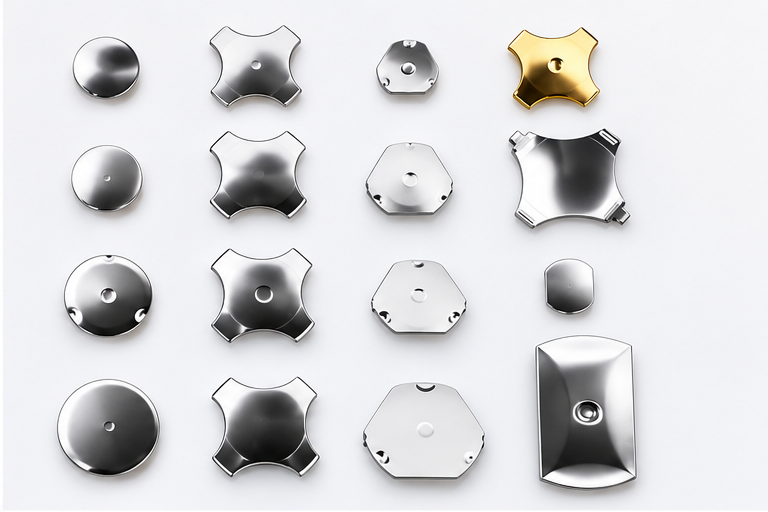
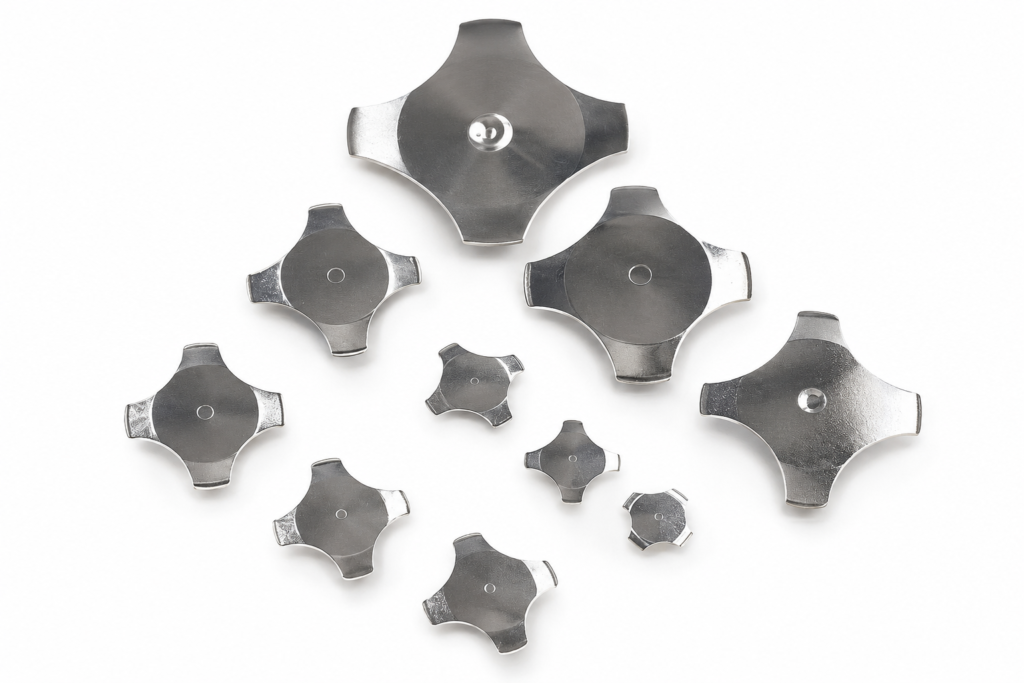
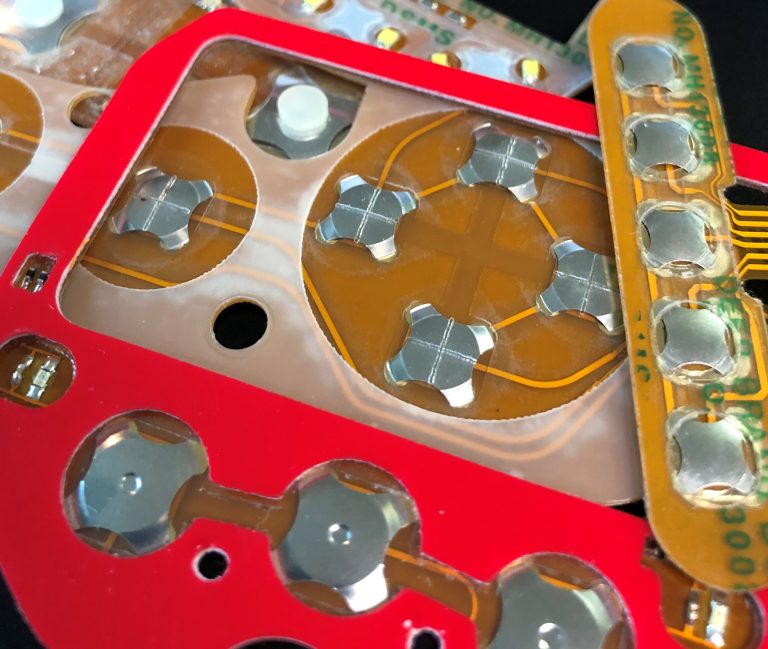
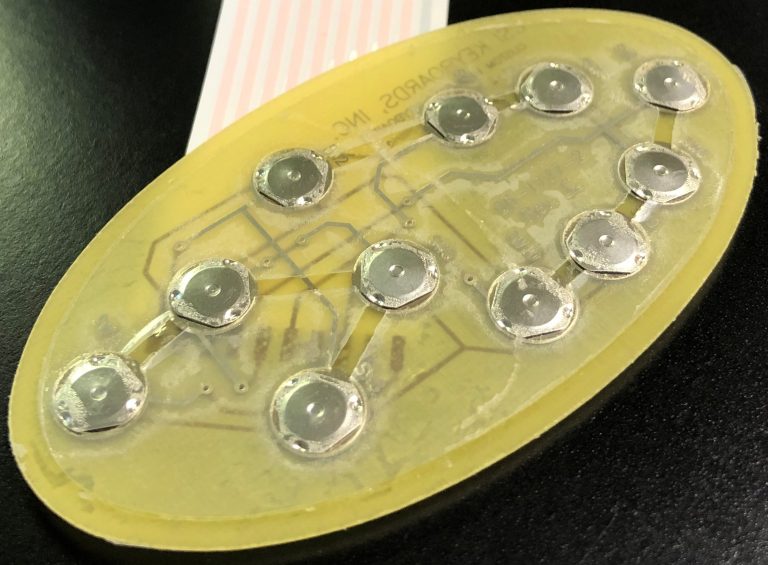
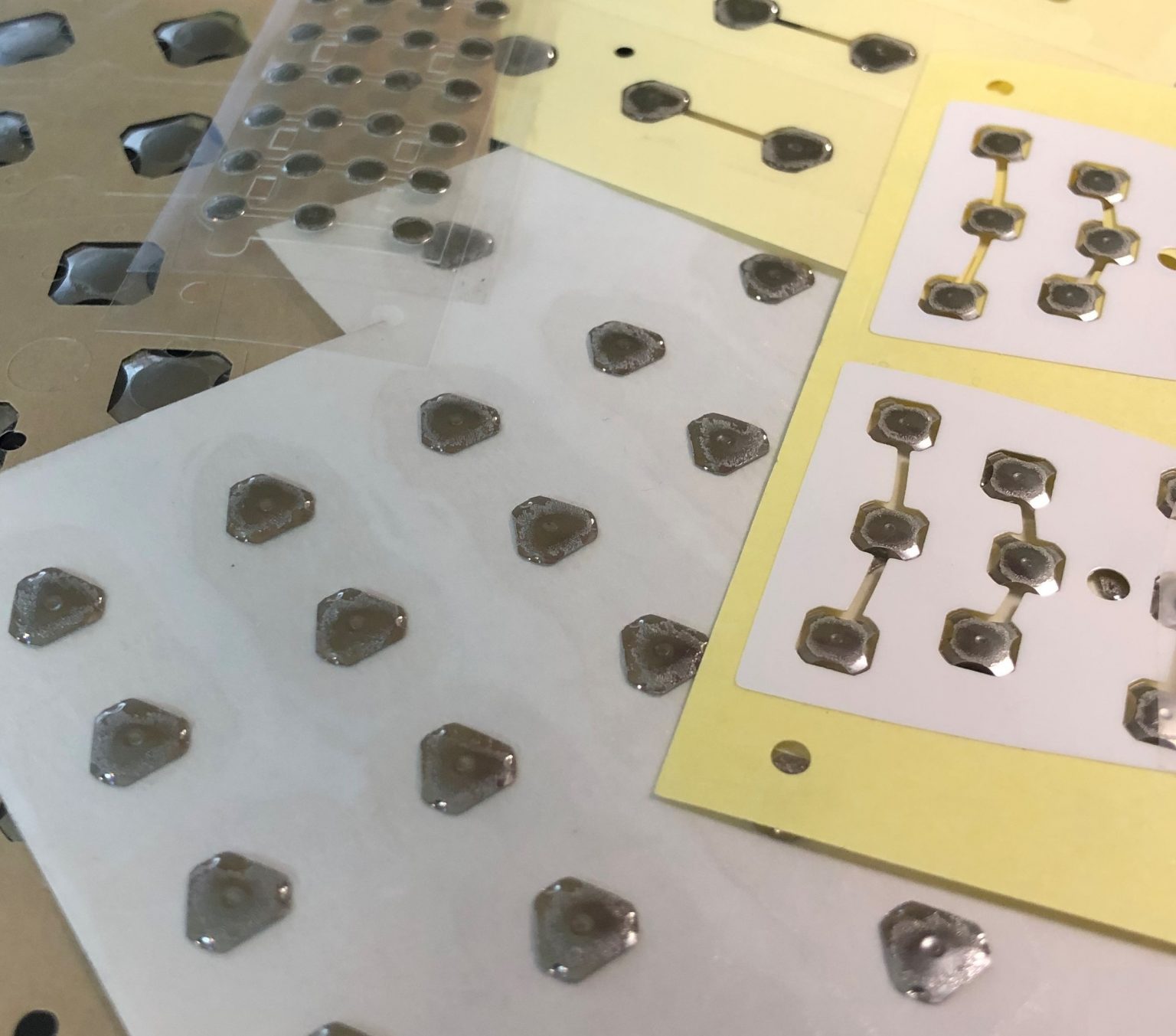
Domes come in a variety of sizes and shapes, including round, four-legged, triangular, oblong, and custom designs. The right choice depends on the space available, key layout, and the feel you want to achieve.
Actuation Force
Actuation force is the amount of force needed to press the dome and activate the switch. A lighter dome may be easier to press, while a higher-force dome may provide a firmer feel.
Consider who will use the device and how. For example, an industrial operator wearing gloves may have different needs from a user operating a medical device.
Tactile Feedback
The strength and feel of the dome’s snap can affect the user experience. Some applications benefit from a distinct response; others call for a softer, quieter feel. Testing samples is the best way to compare options.
Expected Life
Consider how frequently the switch will be used and how long the product is expected to remain in service. Dome life varies by design and operating conditions, so it’s important to select an option suited to the application.
Dimpled or non-dimpled designs
Some domes have a small dimple in the center that can influence electrical contact performance. The appropriate design depends on the switch construction and application requirements.
Test the Feel Before Production
Tactile feel is subjective. A dome that works well for one product may not feel right for another.
CSI Keyboards can help you evaluate dome options during the design and prototyping process. Comparing sample keypads gives your team a chance to experience the differences and choose a feel that suits the end user.
Need Help Choosing the Right Dome?
Our team can help you select a dome for your membrane switch based on your design, application, and user requirements.